


Dear Fellow Traveler:
Adapting the two recent articles on Postcards from the Edge of the World into a streamlined understanding of what the goals are ahead for our Treasury Market is a very hard thing to do… especially when you get a little extemporaneous like I do…
So, I was filming today, and hit the 35-minute mark… and thought… wait a second… I’ve gone through all of this, but never actually laid out the fundamental problem in the Treasury market and what they’re aiming to do here. So… I did something that is really hard to do. I clicked stop… reset, and repositioned 23 charts… and now I’ll need to re-film it… this evening. It will come out tomorrow…
For now, I just finished a one-mile swim, and I still have to walk this hound.
There’s only one prescription for a day that lacks a podcast…
And that prescription is a chart party. Instead of doing a long write-up on the subject, I’ve filmed a video. And instead of writing 1500 words, I’m going to give you the transcript. Then everyone is happy… and I can go back to repackaging this podcast.
Here’s the video…
The charts are listed below and the transcript is at the very end…
Chart 1: Real Assets Enjoy Scott Bessent’s Interventions
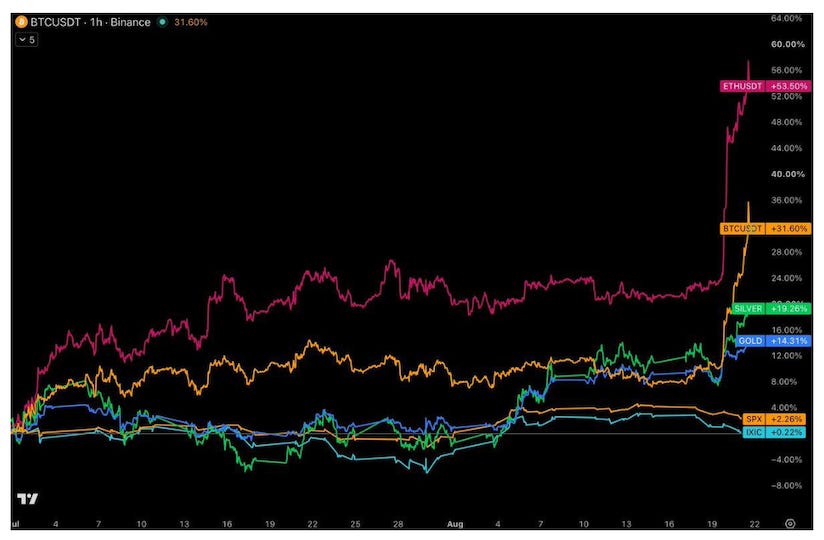
Chart 2: This is Sort of a Dumpster Fire
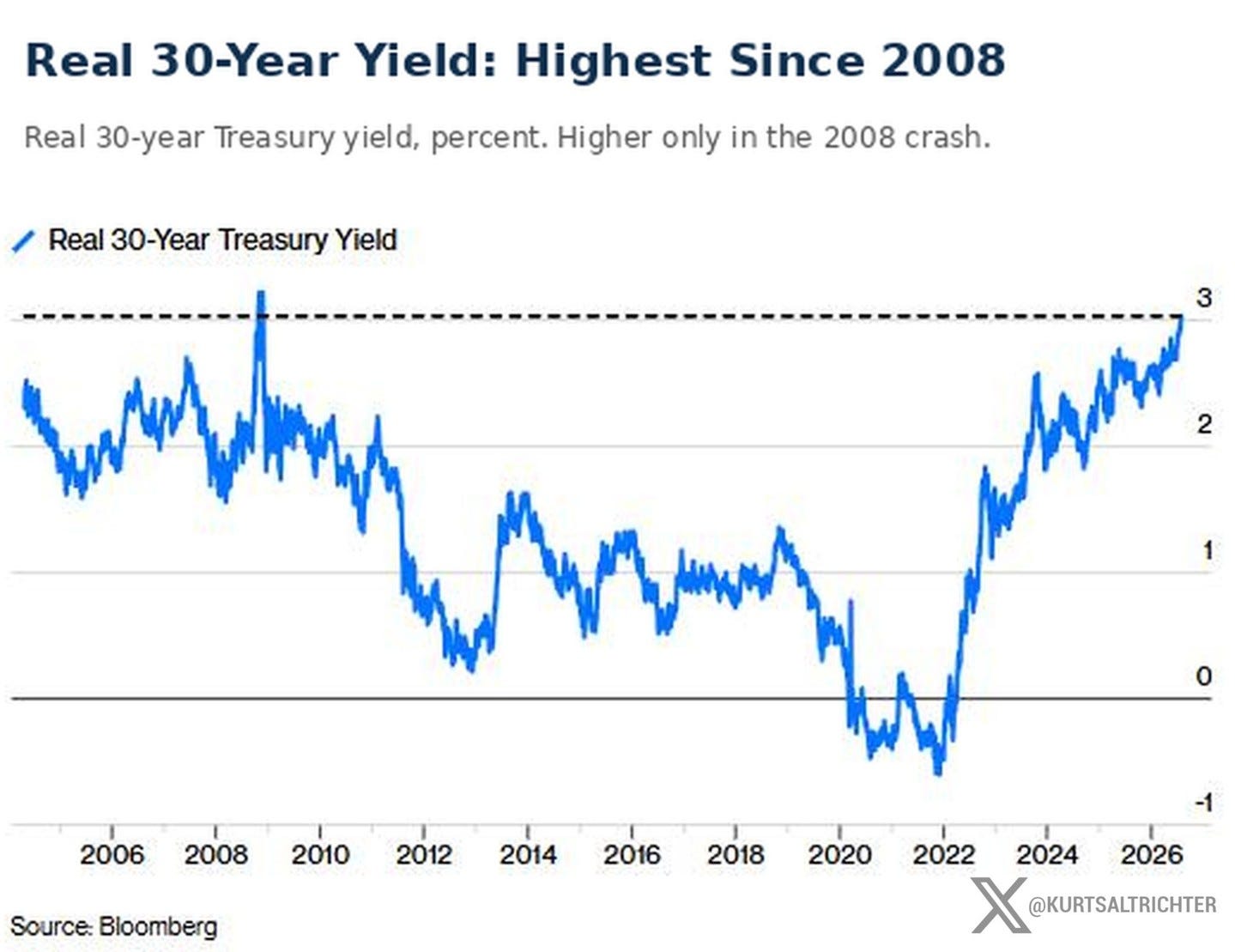
Chart 3: Don’t Worry… It’s Just Money
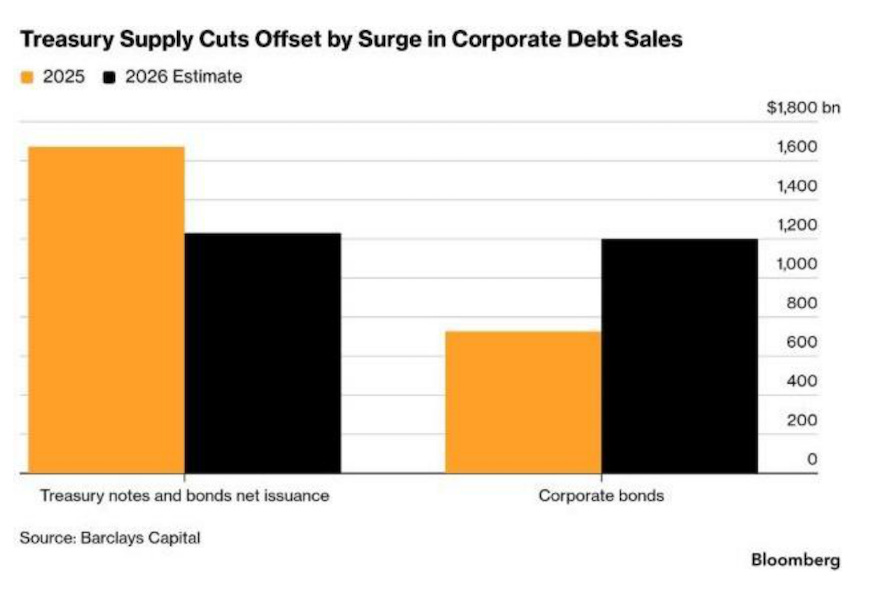
Chart 4: A Headline out of Seoul

Chart 5: The Cash Flow Ain’t “Free” Anymore
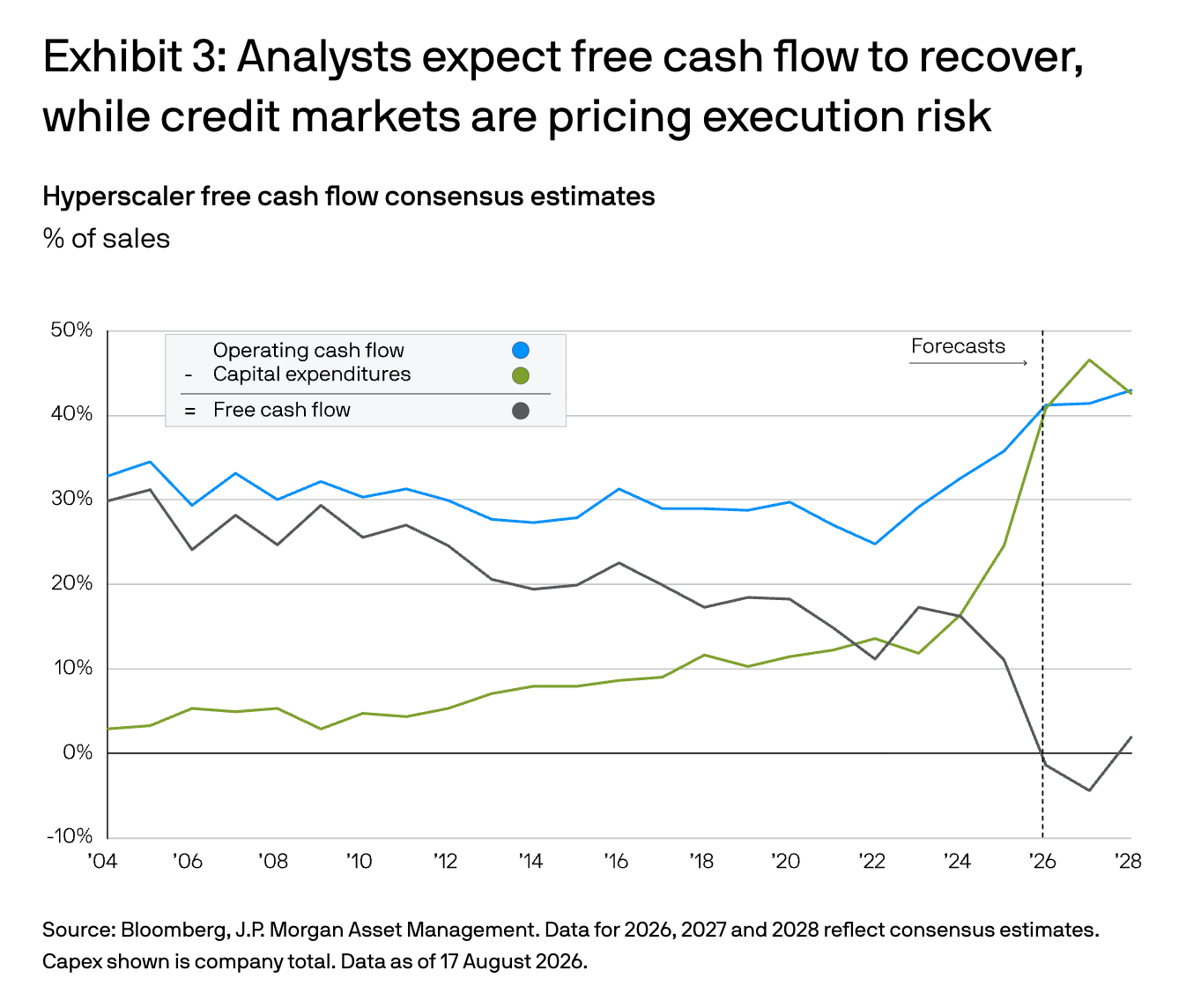
Chart 6: The Crack Spread is Screaming
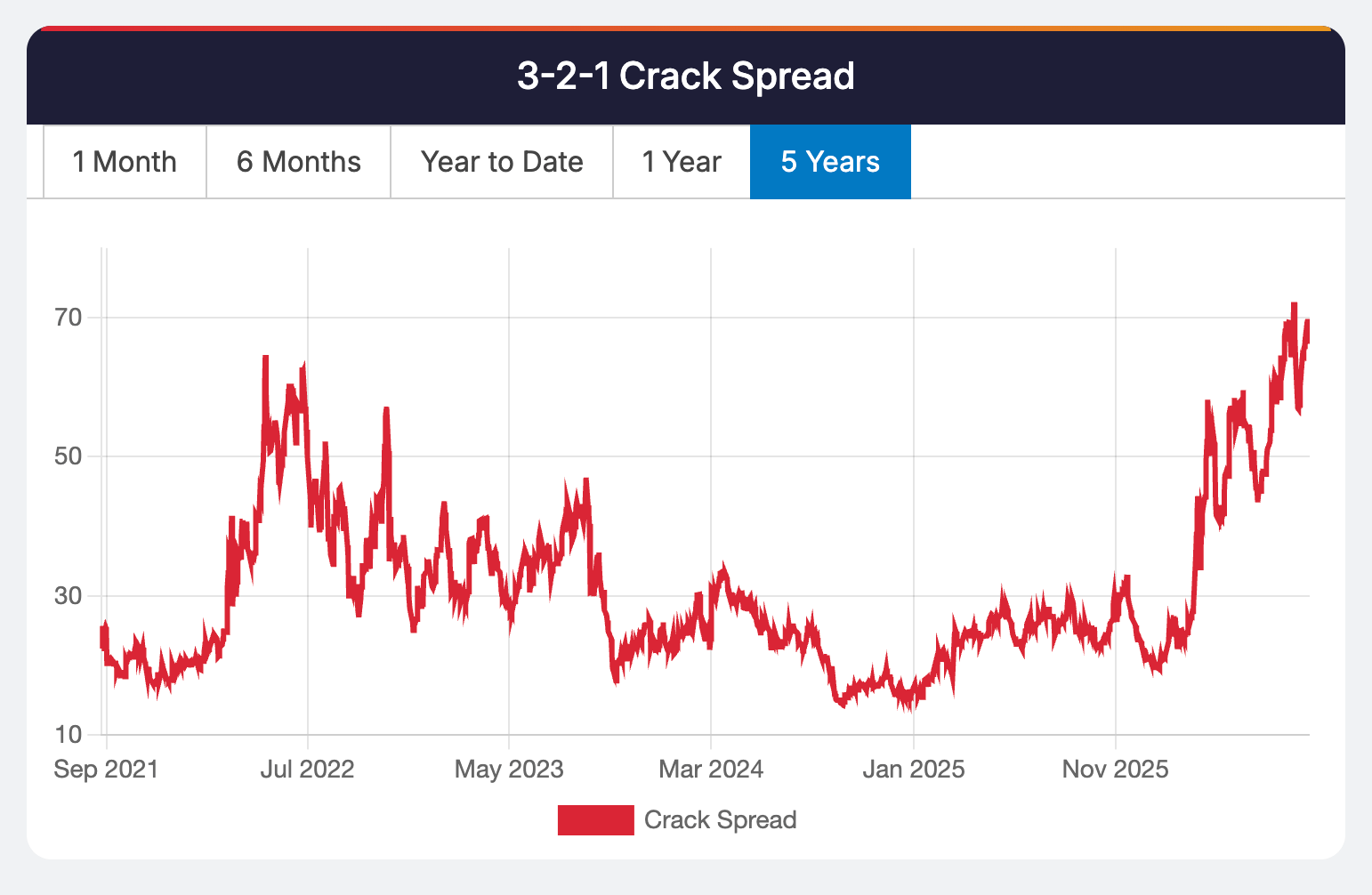
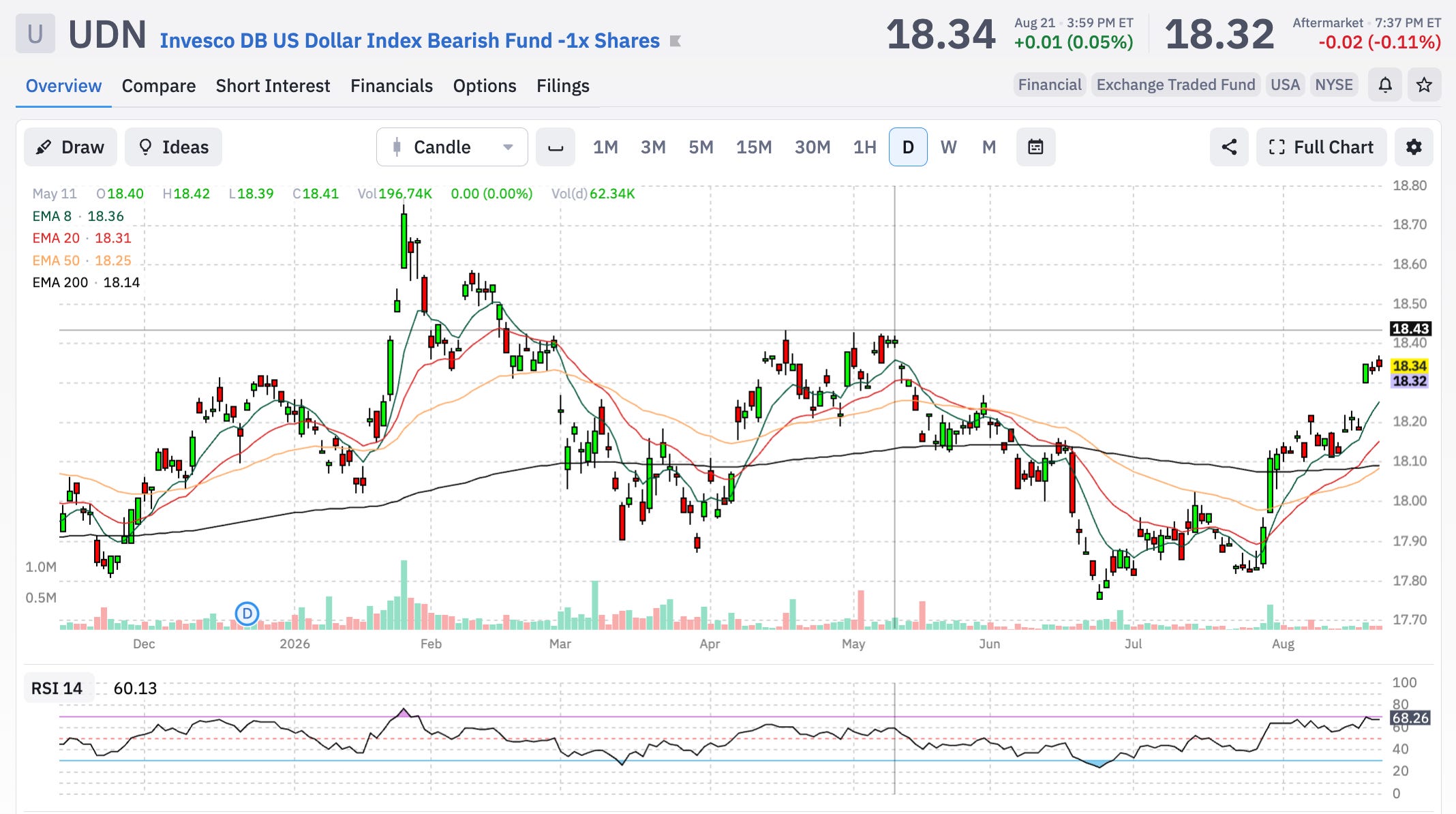
Chart No. 7: The Dollar to Bottom Out Soon, or Go the Full Yen Path
Okay. That was fun, and now we’re done. The transcript is at the bottom.
Two things… I posted this earlier… this is our track record over at the Insider Buying Report. I understand that we’re not going 100% over and over again… this is a put spread strategy… and it’s designed to trade around the CEO and CFO buying…

We’re pretty happy with it. If you’re interested in a free 14-day trial, including market updates and access to InsiderStockBuys.com… click this link.
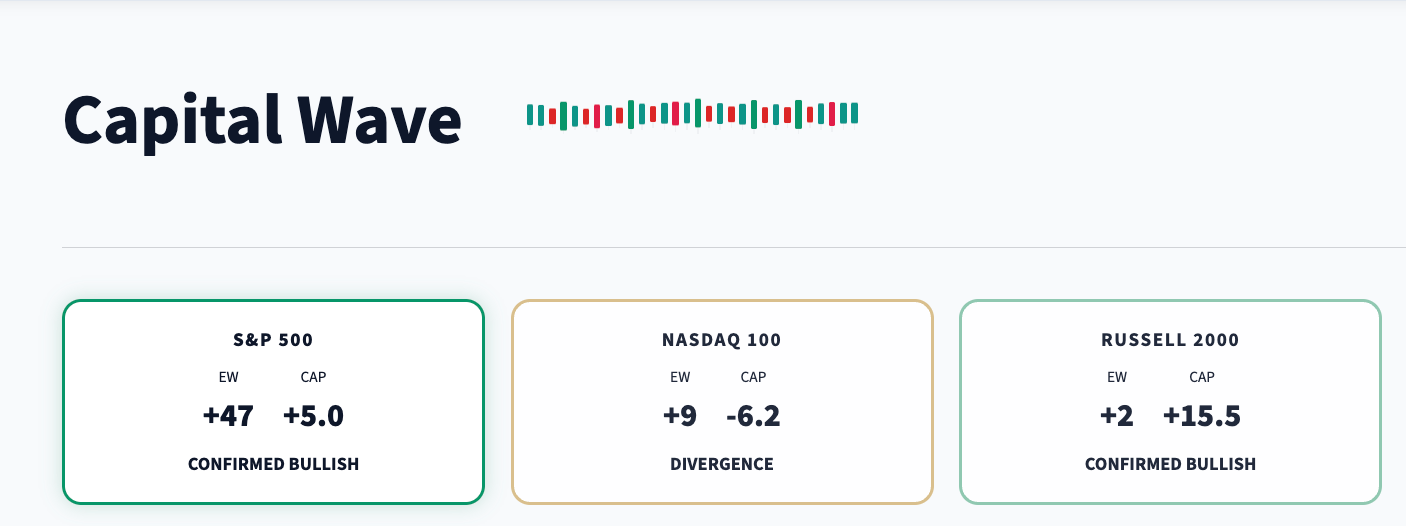
Then… remember… MoneyPrinterPro.com, please check it out. This is our paid version of this letter. Here’s our current Capital Wave scores on momentum. To learn what we’re trying to do and how we’re trying to help you preserve your wealth read this.
You’ll get 24/7 access to stock breakouts and breakdowns… our momentum screeners aligned with broader capital flows and policy shifts, options calculators, and a whole lot more… including a live daily morning show (and access to replays) we do at 8:30 am.
It’s a deal…
Stay positive,
Garrett Baldwin
Transcript
Decades can happen in weeks. Right now, it feels like something significant is happening as capital continues to flow back to Japan. And we start to worry about the unwind of various trades made by that marginal buyer known as Japanese insurance companies. Well, today our conversation is about what this system actually is. And it’s a good preview for our deeper conversation tomorrow on the bond markets and what they’re doing to try to rewire the system right now.
This is about the fact that we have built a system where everybody needs capital at the exact same time. And I’m talking about the government; I’m talking about the AI data center companies that are trying to basically put enough electricity into the ground that they could colonize the moon. You have consumers, you have corporations that need to refinance debt right now.
You have Japan, you have Europe, and you have every private credit fund in the world that had promised somebody else 11% while they were borrowing at 5%. And I’m increasingly interested in what happens when the answer becomes there just isn’t enough money for everybody to get that capital at the price that they want. And that’s the point of the conversation today. And we will start with the most obvious since that intervention by the Treasury Department, the announcement that they are going to increase the size of the buyback starting on September 9th, meaning they’re going out into the yield curve and they’re picking off various points where they’re going to buy very illiquid treasuries and then change the maturity mix, change it from a long duration treasury bond, and then effectively move that to the front end of the yield curve, maybe two years, maybe less than 12 months, but it’s just a reshuffling.
It is debt management. It is not the creation of new money. It is not the pay down of debt. It is simply a management of the debt itself. Well, the market looked at this because moving money out of the long end of the curve to the front end of the curve actually creates a bit of a stimulus effect. And this is one of the things that Michael Howe at Cross Border Capital has talked about significantly. He has nicknamed the concept of moving things from the back end of the curve to the front end of the curve, where it creates more liquidity, a form of quote-unquote Treasury QE. Even though it’s not truly quantitative easing, it is simply a little nickname to let you know that the Treasury Department is doing a lot more of the heavy lifting than the Federal Reserve has in the past. So the market looked at this as positive news in terms of, hey, they’re making economic conditions looser at this moment. And as a result, you saw Ethereum, you saw Bitcoin, gold, and silver all take off as a result. And it is a reminder that
No matter what, even though they are aiming to manage the debt, they’re not doing a whole lot to ensure they are paying it down. The expectation is we’re going to continue to see a lot more of it, particularly as AI data centers keep borrowing and the United States has to compete for capital around the globe against other nations. And that is one of the major things driving yields higher. Now, while all these things are up, what is the SP doing?
While it’s up about two percent, all of a sudden capital has developed a very strong appetite for things that exist outside of the traditional mechanism by which governments create financial claims. And remember, we’ve written about this over at Me in the Money Printer a handful of times, talking about the concept of rehypothecation, the idea that one treasury bill can be pledged multiple times as collateral.
Multiple claims exist for that one specific Treasury bill. A lot of people don’t want to have to deal with that. So what do they look at? They look at scarce assets. They look at things that don’t have counterparty risk, and nothing has less counterparty risk at this point than a hunk of gold or a piece of silver sitting on your desk. It is yours, and no one can claim it. Gold has been obvious in this situation; fix Bitcoin.
Has a fixed issue and schedule. Ethereum is a little bit complicated. And yes, somebody is ready to mail me something about something called EIP 1559. Please don’t do that. I have a family. The point of all of this is scarcity, and scarcity is becoming very valuable at the exact moment the world is creating a lot more claims on future capital at an astonishing rate. And once again, we just crossed $40 trillion in federal debt. We have monstrous deficits. We have no recession. We have strong nominal economic growth and a real refinancing calendar that will force commercial real estate to refinance at higher rates. Corporations with debt coming due that borrowed at very low rates in the post-COVID era now have to refinance at much higher levels. And we have decided that AI requires a meaningful chunk.
Of the American power grid. And somebody has to finance all of this. So when you see gold, and you see silver, and you see Bitcoin all move together like this, I don’t think numbers go up. I think what are people trying to get away from? And the cleanest representation of what they’re trying to escape is, in many ways, the bond market. The 30-year has been above 5.3% this week. And one thing we know is that the Treasury market effectively drew a line in the sand. Now we’re gonna see some rewiring efforts. We’re gonna talk about repo in the next video. We’re gonna talk about how they’re trying to create more balance sheet capacity so that dealers are able to move more Treasury debt from one place to the next. But that’s all for tomorrow.
The story right now is that they’re trying to find ways to shave a couple of basis points off this long-term debt. And once again, real 30-year yields have pushed to levels that we haven’t seen since the 2008 financial crisis. At the same time, Japan is repricing violently. Germany’s bonds are back at yields that seemed impossible recently. And the long duration ETF.
For Treasuries has lost roughly 60%. And I love that one because, once again, it exposes the great semantic game of finance: that term "risk-free." Uh-huh. It always seems that when there is a crisis and problems, it’s usually one of the risk-free or safe assets that causes it. Funny how that happens.
But the government will hand you dollars that they promised you. It doesn’t mean that they’re going to buy what you thought. And it definitely doesn’t mean that the 30-year bond can’t beat the hell out of you while everybody else keeps calling it a conservative investment. So if you bought at the top of that Treasury ETF, you have experienced an equity crash inside something that your allocation software and your brokerage color blue for safety.
And now Treasury buybacks are part of the conversation. And that’s obviously very critical. No, they’re not quantitative easing. I get it. And yes, Michael Howell says Treasury QE a little bit tongue-in-cheek. Fine. These are legitimate debt-management PR practices. But if you look at this vocabulary, you’re gonna hear terms like dealer constraints, market functioning, liquidity management, and Treasury buybacks. They’re all real things. But there’s a point where you know so much about financial plumbing that you actually stop noticing that the basement is flooding. And that’s been the really interesting experiment about what has happened in the last year. Nobody knew what shadow banking was. People weren’t sitting around at their dinner table having conversations about the repo market. We weren’t having conversations about private credit.
We weren’t talking about the secured overnight financing rate. All of a sudden, the Federal Reserve started talking about this last year to signal they were going to make some changes. They made a major change in December when they effectively said to provide as much capital and support through reserve management to the banks. And they gave that directive to the New York Federal Reserve Bank. Now all of this kind of came out into the open, and we’ve had conversations about this because
Was this QE that the Fed engaged in in December? Well, again, it had nothing to do with the fact that it was the traditional creation of reserves that ultimately went out into the longer end of the yield curve. No, no, no, no, no. What this was really about, even though they were creating reserves and even though they were buying treasuries, they were engaging in a practice to help produce more financial stability. And that is the persistent goal in all of this. And it’s important to note.
Because what I have noticed, and it’s been very entertaining for me, is that more people are using this terminology. More people are talking about momentum and mechanical buying and liquidity management. People weren't talking about these at scale in 2022 and 2023. This crisis means these concerns are right in front of us. The same way that back in 2025, the Bank for International Settlements was talking a lot about.
The relationship between the Bank of Japan and the Federal Reserve and concerns about Japan- that was the deep concern in the wake of the 2024 crash in the Nikkei. Now all of a sudden, the Bank for International Settlements and the Federal Reserve are being very open about their plumbing. And now all of a sudden it’s becoming front-page news on CNBC. So I want to keep reminding you that this is a continuous migration.
Of how this market is going to operate. And underneath all of this jargon is a simple problem. There are too many bonds. They printed too much money. This isn’t that complicated. And once again, there are going to be a lot more bonds, and somebody has to own them. And that’s going to be part of the conversation and the coverage tomorrow, but also part of the deeper conversation of what happens in Jackson Hole.
When they talk about financial innovation, what the future of money looks like, and of course, the transition to stablecoins as a buyer of short-term treasuries that may help the f the Fed and the Treasury Department better manage the long end of the yield curve. That takes us to AI because, apparently, the federal government decided it was lonely and wanted competition for capital. We’ve spent years discussing AI.
Through the equity market. We’ve talked about who has the chips. We talk about who wins. We’ve talked about NVIDIA, ad nauseum. But now we have to look at the capital requirements. Now we have to have a deeper conversation about this being a plumbing and capital story because it’s no longer just a technology story. It’s infrastructure and the capital needed to run this for the next 15 years.
And we’re talking about data centers and power generation and transmission and chips. Corporate issuance is surging right now, and AI borrowing is becoming a meaningful share of those capital debt markets. So why does this matter? We’re talking about a trillion dollars next year. One trillion dollars is the expected capex number. To put that into perspective, that is
Four times the amount of money that the United States government spent in real terms on all of the Apollo missions combined. That is the number. That is four times what Meta was going to spend on the metaverse before basically they had to abandon it all. And that’s the story that we have to understand. So, look at this: the Treasury shows up saying we need a few trillion dollars, and behind them stands Silicon Valley saying, great, we’ll need an amount that previously was associated with rebuilding the continent of Europe. And nobody wants to slow down. Washington won't be able to stop refinancing its debt. It continues to move more capital to the front end of the yield curve, which means all of those Treasury bills that expire within the next 12 months have to be refinanced in the next 12 months. And if we don’t keep those yields down,
All of that is refinanced at a higher rate in the short term. Meanwhile, a company like Meta- nobody’s telling Zuckerberg, hey, maybe slow down. The last time you started spending all of this money, you wanted all of America to sit in a metaverse with a bunch of cartoon characters that didn’t have legs and meetings. Let’s not spend that much money, right? But once again, maybe China gets AGI because rates become uncomfortable.
And Oracle, which is unbelievable in this whole story, they’re not walking away either. Apparently, Larry Ellison, who’s what, 82 years old, appears determined to personally consume every single electron that is left in North America before he goes wherever you go after this. So, what is the adjustment in all of this? And that is the question. And that is the crowding out. And the crowding out is
The next issue because once again, it doesn’t happen as it happens in traditional econ 101 cartoons. All of this happens through price. Everybody can borrow and eventually at the right yield. Projects that look fantastic at 4% look like complete horseshit at eight. And somewhere under the entire AI revolution sits somebody who just wanted a four-bedroom house and discovered that his new mortgage payment resembles a child support settlement because Microsoft had to add another data center somewhere in Northern Virginia. So AI has two components. And I want you to think about both because both can be true. AI can be spectacular for long-term productivity, but it can tighten financial conditions right now as interest rates rise. And the expectation that we are going to get deflationary growth out of this can be the long-term view, but in the short term, all the construction, all the metals, and everything else tied to financing is, by default, inflationary. And the Federal Reserve admitted that recently, in 2026. So who becomes the buyers of all of this debt? This isn’t about Japan and China dumping everything and going out and buying soybeans and corn and soy gum.
This is a story always about the marginal buyer. And I continue to remind you of that, right? It’s the marginal buyer and the marginal seller that bro that broadly impact flows. And this is one of the key measurements of what we do over at Money Printer Pro. When you look at those screamers and risers and those breakdown stocks, a lot of those names are being impacted by that marginal buyer who is following that momentum. That said, for decades the system was very circular. America ran deficits, and then dollars piled up overseas as we bought international goods from manufacturing centers. They would recycle that money back into our treasuries. And everybody won as a result. But now what is happening? And again, this goes back to the idea of decades happening within weeks: the incentives are changing in the market, and they’re changing dramatically.
China’s been reducing for years, but now it’s getting to the point where it’s clear there is no set point where they’re ever gonna r really return to this treasury market without a significant policy shift. In addition, China is a closed economic system, which makes it much harder for us to compete on a variety of elements in this broader capital war we discussed.
Ch Japan, meanwhile, has a currency problem and a bond problem at the exact same time. And if Japan’s yields keep rising, Japan’s money has less reason to leave Japan. And if it comes home, it isn’t buying treasuries. And you’ll remember, if you read or remember, if you’re a member of Money Printer Pro and you read our yearly and our annual outlook for 2026, you would know my number one risk for the year was Japanese capital.
Going home and staying home. And one reason for that is not just that insurance companies have been broad buyers of debt internationally. It’s the idea that they are the marginal buyer, but it is also the fact that if capital comes home, that can impact the leverage of a large number of positions in the US equity system as well, largely because, as I’ve said, according to Andrew Lapthorne at SOCGen, the whole market is formulated around 20 different stocks.
Once again, as we continue to move through this, if money comes home, that becomes one of the pillars- that foreign investment- that becomes one of the pillars that can potentially take our equity markets down a little bit lower. I’m not saying that that passive buying isn’t going to happen on a weekly, bi-weekly basis from our retirees. But I am saying that’s one pillar that can potentially go home. And then everybody starts having deep conversations once again about fundamentals.
When we talk about fundamentals, usually nothing good is happening in a heavily mechanical and momentum-driven environment. So as you assess this, understand that right now, everybody needs the Japanese insurance companies to start buying their debt. America wants them to buy treasuries. Tokyo wants them to buy JGBs, their government bonds. The currency market really wants them to stop selling the yen.
And somewhere there’s this young Japanese portfolio manager who just wanted a quiet life. And now Scott Bessant, the Bank of Japan, Japan’s Ministry of Finance, and the Global Carry Trade are all standing outside this man’s office. So that’s what we mean by a capital war. Nobody has to hate anybody. Capital just goes where it gets the best mix of yield, liquidity, and safety. And America used to win this contest pretty much automatically. Now it competes.
And when the world’s largest borrower has to compete for money, the price of money goes up. This is the story of Forex. It’s not about interest rates all the time, it’s about Forex. Understand that that is one of the core costs of capital in the global system. This is my favorite chart in the entire deck, by the way. And again, the hyperscalers have been generating extraordinary cash flow, and they’re about to spend more than that.
Building this future. The models all say everything gets better later, and of course they do. Nothing has ever gone wrong years out in a financial model. The year 2029 is an extraordinary place if you haven’t heard about it yet. Margins will expand, capex will fall, nobody’s gonna get divorced, all of the puppies will come home. It is paradise, according to markets. But credit markets have an unfortunate job of having to live.
Before 2029 comes. So equity investors right now are buying the possibility of enormous future returns. Bond investors have a more vulgar concern. They want their money back. Okay? They don’t care if a model hits AGI in 2031, if you owe them $4 billion in 2028. And that was the story that we talked about with Leopold Aschenbrenner. Yes.
future of AI might be great, and so might superintelligence. But you, sir, have a margin call and you owe us X amount of money on a Thursday. The long-term thesis doesn’t matter. You owe us money, and we need our money. There is a big difference in expectations between bond investors and equity investors. This is a perfect example of that. At the end of the day, if you look at this, the equity person hears a $100 billion build-out.
And they think this company’s got a moat. All right. If you do that, sure, absolutely. But the credit guy thinks $100 billion? He’s not smarter. His upside is getting paid what he is promised. His downside is a restructuring committee showing up in his office and telling him everything is a problem until approved otherwise. And right now, credit is demanding more compensation to finance.
This build out, while equity is still spending all of this as proof of dominance. The divergence itself tells you about the current market situation. It is the equity market against the bond market. And historically, the bond market is usually right. On top of that, you have a whole situation involving energy. And this is diesel. And this is where I don’t need to embellish because the actual situation is stupid enough.
The diesel crack spread, the margin between crude and the refined product has exploded. As I’ve explained in previous videos, global crude exports are down about 14% this year. Meanwhile, exports of diesel are down double that. So maybe it’s 13% and 26% respectively. Maybe it’s 14, 28%. Sometimes I get I get my my brain gets confused. Anyway, it’s double, right? So double isn’t good. The crack spread.
Again, the margin between crude and refined product has exploded. You can see it right on the screen. Now, why do you care about this? Because almost everything physically in the US economy eventually sits behind something burning diesel. That could be food, freight, or construction. The guy hauling 700 cases of toilet paper to a Costco because apparently civilization will collapse in if we have to wait more than 12 minutes to buy 48 rolls at once.
On top of this, you can’t fix a diesel shortage by adjusting the discount rate in Excel. There is no interest rate change that will alter the diesel outlook. You need refineries. And internationally, the four places of refineries, China, which is probably going to cut its exports, Russia, whose refineries are getting hit by missiles, the Middle East, whose refineries are getting hit by missiles. And we are down along the Gulf Coast largely as we shut other refineries down for environmental purposes and Jones Act reasons.
We’re heading into maintenance season. Maintenance season means that we are going to produce less. And of course, you have hurricane season happening around the exact same time. The strategic petroleum reserve holds crude. Your truck does not run on West Texas Intermediate. So product margins scream while everybody stares at the crude chart. And six months from now, somebody will write a 40-page paper on why goods inflation proved quote unquote unexpectedly.
persistent. I have a theory. Trucks need fuel. That’s all I’m going to say. Last one, and this is the one that actually bothers me. The dollar’s weakening. While treasury yields rise, higher yields are supposed to support a currency. So when yields rise substantially and the dollar falls anyway, you have to ask why investors are demanding this extra yield. Because a higher yield can mean two very different things. It could be an opportunity or it can be
Compensation. And those are not the same thing. So if a guy pays you 3% more because his business improved, that’s one situation. If he pays you 3% more because you’re slowly backing toward your car, that’s a different situation. Now go back and look at the first chart. Remember, we talked about this one. This is the first chart. Here you go. Gold ripping while real yields are this high is not supposed to happen.
Gold pays nothing. Treasuries pay plenty unless the market is saying something a little bit more subtle. If you’re going to create this many claims on future dollars, I want more compensation to hold them. And I also want something whose supply you don’t control. So suddenly these numbers don’t look so random anymore. Anyway, that’s the world in seven charts. And the connection isn’t recession or inflation or AI or Japan. It’s capital.
That’s all it is. Everybody needs money at once. The lenders want better terms. And eventually, eventually, something gives. A project dies, a currency moves, an auction fails. Somebody learns that leverage, which looked harmless at 3%, is a different animal at 6%. I don’t know the date. I know the direction, and I track it every single day. So do me a favor, as always, join us at Money Printer Pro at Substack and check us out.
Join us every day. We’re live at 830 each trading day. And again, for a pre-market warm-up, plus a little bit of our momentum readings, looking at breakout stocks and breakdown stocks, plus a whole lot of other goodies for elite members like a fundamental screener, in addition to a large SP 500 rotational momentum map of all 502 stocks.
You do not want to be finding out at lunch with all of the pros new at breakfast. So, subscribers again, get our momentum indicators at moneyprinterpro.com. The same signals I use to tell the difference between when you can buy the dip and when that dip buys you. So bring your coffee and bring your skepticism too. You’ll need both. That is our chart party for today. As always, I’m Garrett Baldwin.
And as always, stay positive.